
Silica Exposure Control Plan: OSHA 1926.1153 Basics
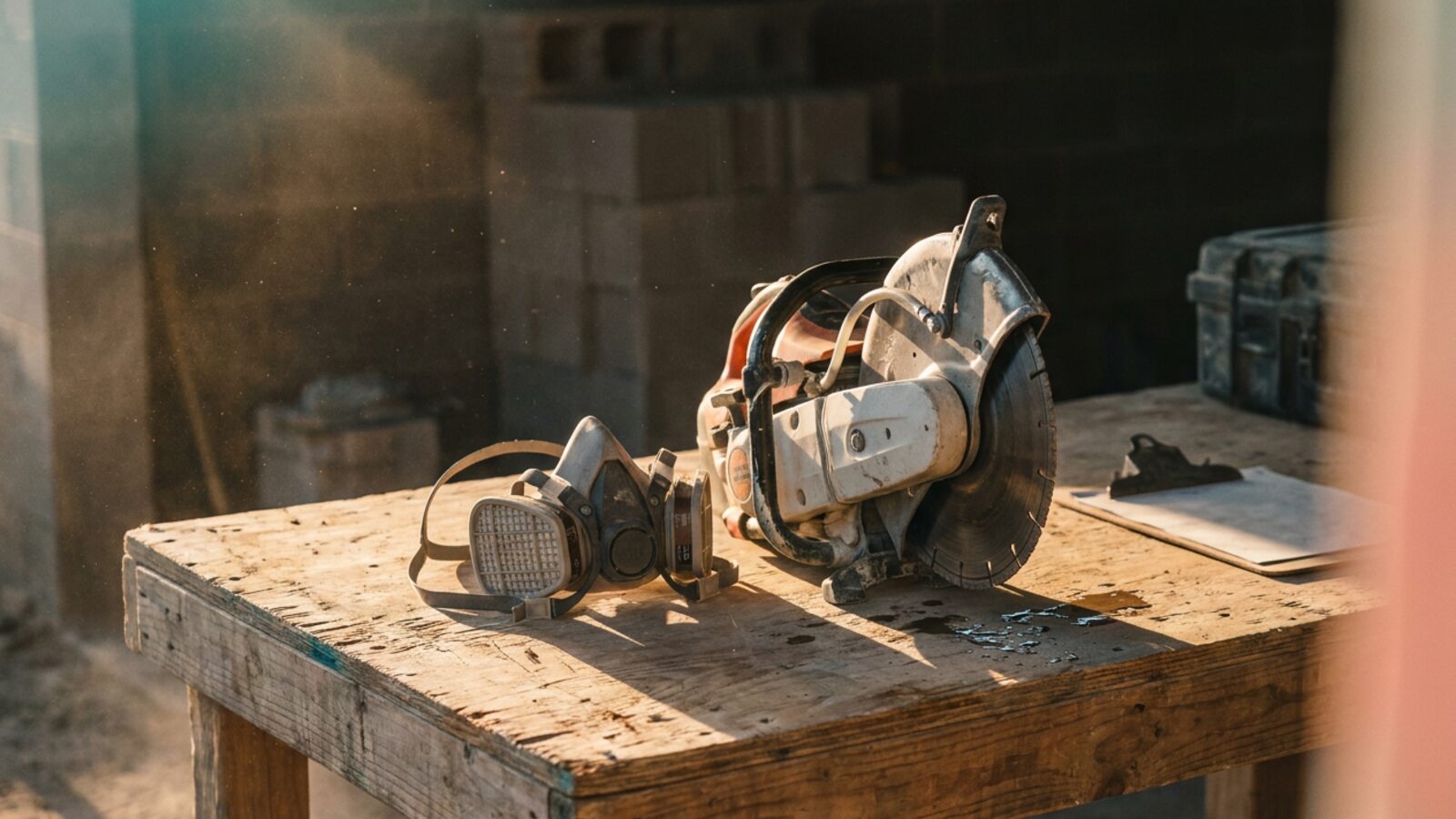
Quick answer: A silica exposure control plan is the written document OSHA requires on construction sites under 29 CFR 1926.1153. It names every task that creates respirable crystalline silica, the engineering controls and respirators that cut the dust, the housekeeping methods, and the procedures that restrict access to high-exposure areas.
Respirable crystalline silica dust is one of the worst health hazards in construction. OSHA reports that roughly 2 million construction workers are exposed to it on the job, and the agency estimated the construction rule would prevent more than 600 deaths and 900 new silicosis cases each year once employers comply. Exposure causes silicosis, lung cancer, and kidney disease.
Enforcement is not passive. OSHA has run a National Emphasis Program for respirable crystalline silica since February 2020, which sends inspectors to construction sites on targeted industry lists instead of waiting for a complaint. Static, paper-based control plans trigger NEP citations even on a clean site, because the binder in the trailer stops matching the work the day the schedule moves from exterior saw cutting to interior grinding, nobody is logging which crew ran which tool for how long, and the medical surveillance calendar sits in one manager’s head.
What Are the Core Requirements of OSHA 1926.1153?
OSHA sets two air limits. The permissible exposure limit caps respirable crystalline silica at 50 micrograms per cubic meter over an eight-hour shift. The action level sits at 25 micrograms. Hit the action level and you owe workers air monitoring and medical surveillance. Follow Table 1 exactly or run your own exposure assessment.
Table 1 is the route most contractors take. It pairs common construction tasks with the dust controls and respirator ratings OSHA already accepts. Skip it and the burden of proof lands on you.
| OSHA Metric | Regulatory Limit | Required Action |
|---|---|---|
| Permissible Exposure Limit | 50 micrograms per cubic meter, eight-hour average | Run engineering controls and respirators to pull exposure below the limit. |
| Action Level | 25 micrograms per cubic meter, eight-hour average | Start air monitoring and schedule medical surveillance exams. |
| Table 1 Compliance | Exact adherence to the listed tool controls | Drops the requirement for independent air monitoring on that task. |
What Is Respirable Crystalline Silica?
Respirable crystalline silica is microscopic dust released when crews cut, grind, or drill concrete, brick, block, and stone. Workers breathe the particles deep into the lungs, where they scar tissue permanently.
Sand, mortar, concrete block, and engineered stone carry high levels of quartz. A masonry blade fractures that quartz into jagged particles at least 100 times smaller than beach sand. Your lungs cannot clear them, and repeated exposure produces silicosis. Silicosis does not reverse.
Engineered stone raised the stakes. California adopted an emergency temporary standard for stone fabrication in December 2023 after silicosis cases surfaced among engineered stone countertop workers, and federal inspectors now treat cutting and polishing that material as a priority exposure task.
What Must a Written Silica Exposure Control Plan Contain?
The plan has to show exactly how your site keeps dust out of workers’ lungs. OSHA wants a document built around the real equipment on the job, not a generic form.
List every task that exposes workers to silica. For each one, name the engineering controls, the work practices, and the respirators in use. Describe your housekeeping methods for settled dust, and spell out how you restrict access to areas above the exposure limit.
Name the competent person in the document. Keep the plan on site and hand it to any worker or inspector who asks.
How Do Table 1 Tasks Differ From Performance-Based Alternative Exposure Assessments?
Table 1 gives you pre-approved controls for specific tools. The performance-based alternative exposure assessment puts you on the hook to sample the air and prove your own numbers.
Table 1 covers handheld power saws, core drills, jackhammers, grinders, and other common equipment. Run a handheld saw with integrated water delivery outdoors for four hours or less and OSHA requires no respirator. Push past four hours or move the work indoors and respiratory protection kicks in. Follow the row exactly and you skip air monitoring for that task.
The performance-based route applies when the task is not on Table 1, or when the site cannot supply water or dust collection. Then you sample the worker breathing zone across the shift and document that exposure stays under 50 micrograms.
Who Qualifies as a Competent Person Under the Rule?
A competent person spots silica hazards and holds the authority to fix them on the spot. You name this individual in the exposure control plan.
General safety training is not enough. The competent person knows the 1926.1153 standard and the correct controls for each tool on site. They inspect the job, the materials, and the equipment on a frequent and regular schedule.
Spot a failed dust collection shroud or a worker in the wrong respirator, and they stop the task until the crew corrects it.
What Are the Housekeeping Rules Under 1926.1153?
Dry sweeping and compressed air are off the table for silica dust unless no other method is feasible. Use wet methods or HEPA-filtered vacuums instead.
Cleanup puts dust back in the air after the saw shuts off. OSHA requires vacuums with HEPA filters rated at 99.97 percent efficiency, and your cleanup crew needs training on changing and disposing of the bags. Wet sweeping compounds hold the dust down as an alternative.
Blowing dust off clothing or machinery with an air compressor violates the standard and earns a citation.
How Do You Keep Your Plan Current on Each Job Site?
Audit site conditions as phases change and update the controls in writing. A binder that has sat in the trailer since the pre-construction meeting fails an inspection once work moves from exterior excavation to interior masonry cutting.
Map your dust-generating zones and log who ran which tool for how long. When a new subcontractor mobilizes or a new wet saw goes into service, the competent person amends the plan that day.
Date every revision. An undated plan gives an inspector no proof that it reflects today’s work.
Why Is Silica Compliance So Hard to Manage?
Compliance breaks in the gap between the office binder and the field. Managers write detailed protocols that do not survive a fast schedule. Four specific breakdowns cause most citations.
- Tool time nobody recorded: workers switch tools constantly, and a protocol written for a stationary masonry saw collapses when the crew picks up a handheld grinder at noon. Without a per-task time log, you cannot show you stayed inside the four-hour outdoor window.
- Table 1 rows out of sync across sites and subs: change a control on one job and every other crew, including each subcontractor, needs the same row in front of them that day. Paper distribution guarantees three versions in circulation.
- Medical surveillance scheduling by hand: the 30-day respirator trigger runs per worker, per year, across crews that rotate. Tracking those thresholds in a spreadsheet costs administrative hours and still misses exams.
- Training the crew cannot read: hazard training only counts if the worker understood it. Crews that speak Spanish or Portuguese on site need the material in that language, and you need a signed record proving which language was used.
Distribution is the compounding problem. Safety data sits in paper logs that get soaked, buried, or left in a truck. When an inspector arrives and nobody can produce the current plan, you lose time and invite citations. The way you store and update the plan matters as much as what it says.
| How You Hold the Plan | Keeping It Current | Cost Shape | Where It Fits |
|---|---|---|---|
| Off-the-shelf safety subscription app | Generic forms you bend to fit your tasks; silica specifics usually live in free-text fields. | Per-user monthly fee that grows with headcount. | One site, stable crew, standard task list. |
| Paper binder and spreadsheets | Manual reprints after every change, with no proof of which version the crew held. | Looks free, paid for in administrative hours and citations. | A single short-duration task with one tool. |
What Are the Employee Training Requirements?
Train every exposed worker on the health hazards of silica and the controls your site uses. The training happens before the worker starts the task, not after.
Cover the tasks that create exposure, the name and authority of the competent person, and the purpose of the medical surveillance program. Workers also need to inspect their own respirators and confirm vacuum systems pull properly.
Deliver the session in the language the crew actually speaks, then log the training with dates, the language used, and signatures. That record is part of your compliance file.
What Are the Medical Surveillance and Recordkeeping Rules?
Offer medical exams to any employee required to wear a respirator for 30 or more days in a year because of silica. The first exam sets a baseline, and later exams track any decline.
A licensed healthcare professional runs the chest X-ray, the pulmonary function test, and the physical. Keep accurate records of every air measurement and all objective data you relied on.
Hold medical and exposure records for the length of employment plus 30 years.
Will Your Plan Hold Up the Day an Inspector Walks On Site?
Answer that by deciding where the plan lives. If the honest answer is a binder and three spreadsheets, pick one requirement to move first: tool-time logging, Table 1 revisions, or the surveillance calendar. Each one tracked on its own gives your competent person current data to walk the site with instead of a stale printout.
Field teams log inspections in the moment, real-time respirable dust monitors feed readings straight into the record instead of a notebook, and your numbers line up with the federal air limits on demand.
Automated workflows for managing field compliance stop citations before they start, and your safety managers spend their time on physical hazards instead of chasing signatures. A software solution for construction keeps medical surveillance dates, air monitoring logs, and exposure plans archived and searchable.
Brixx Digital builds these systems; that is us. Start with the digital safety blueprint, then replace the failing spreadsheets with owned, custom software that verifies daily safety standards without slowing your crew down.
OSHA began enforcing 29 CFR 1926.1153 in construction on September 23, 2017. This article is general information, not legal advice.
Frequently Asked Questions (FAQs)
Does every construction site need a silica exposure control plan?
Yes, if the work generates respirable crystalline silica. The written plan is required whenever workers face exposure, and the narrow exemption applies only when exposure stays below 25 micrograms per cubic meter under any foreseeable condition.
What triggers an OSHA National Emphasis Program silica inspection?
Under the silica National Emphasis Program, area offices build target lists of industries known for high exposure, including construction trades, and schedule programmed inspections from them. Complaints, referrals, and visible dust observed during any other inspection also open a silica inspection on the spot.
Can an employer use a generic template for their control plan?
No. A template is a starting point only. The final document has to reflect the tools, tasks, and controls actually in use on your site, and the competent person updates it as conditions change.
How can automation improve silica exposure control plan compliance?
Silica compliance automation software replaces the reprint-and-distribute cycle. One update to a Table 1 control reaches every crew and subcontractor at once, tool time and inspections are captured in the field, and surveillance dates fire as scheduled alerts instead of depending on someone remembering. The audit trail is the by-product.
How long do we need to keep silica medical records?
Keep silica air monitoring and medical surveillance records for the length of employment plus 30 years. Store them securely and produce them for inspectors on request.